
 Clean, sustained energy without jitters
  Helps mental clarity & concentration
  Processed under strict quality control



Description
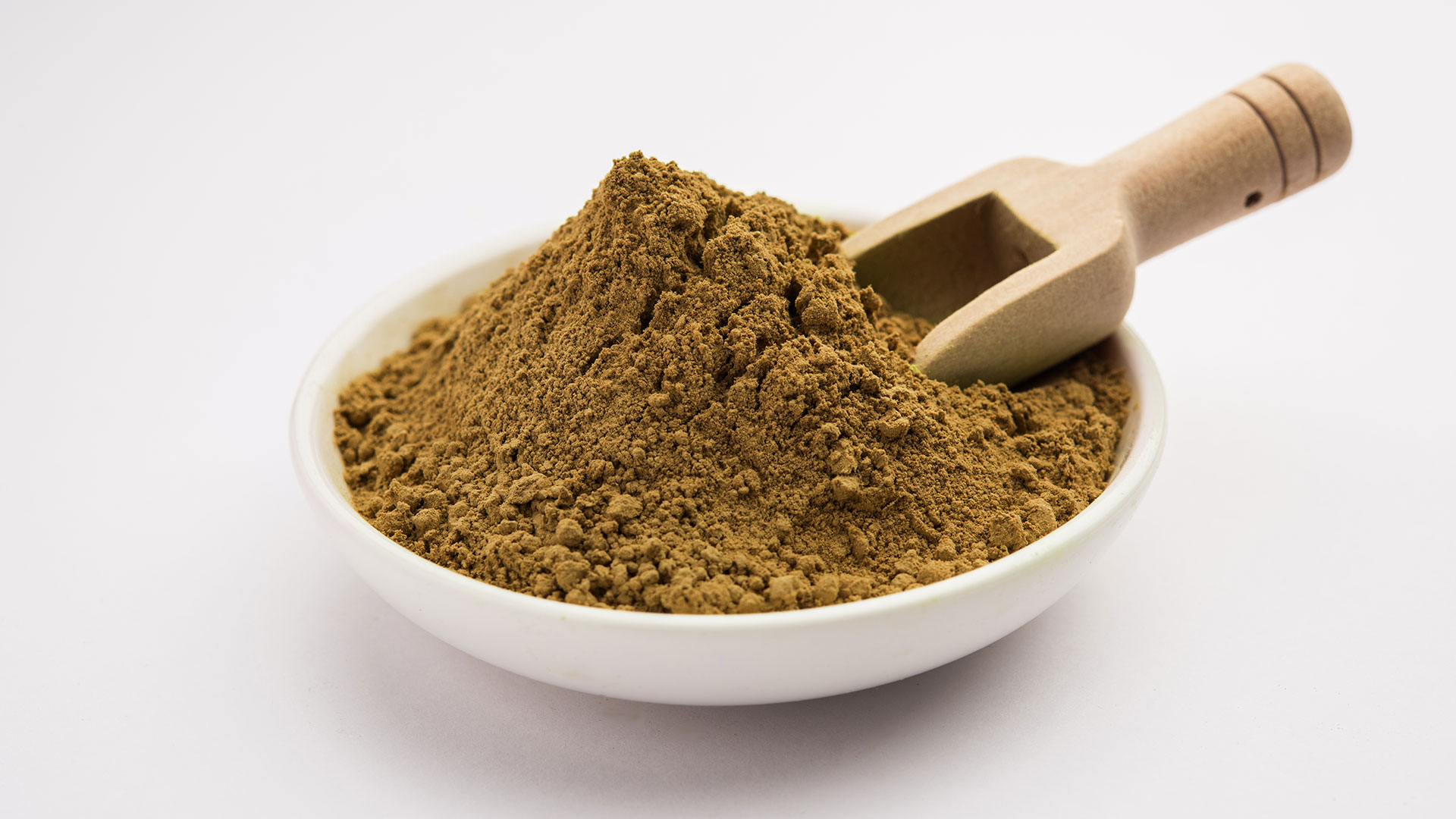
Red Maeng Da Kratom Powder
Red Maeng Da is revered for its unique blend of naturally occurring alkaloids. In this guide, we explore the strain’s history, notable features and more.
Red Maeng Da Kratom’s History
This strain of kratom has a storied past, having been used by the indigenous people of Southeastern Asia for centuries. Traditionally, kratom powders are named after the ‘vein’ of the leaf, and/or region from which it was grown and harvested.
When it comes to Maeng Da, its nomenclature takes an interesting turn that might sound comical or odd to Westerners. It may even subjectively come with negative connotations. But don’t let that turn you off, as the strain itself receives virtually nothing but praise.
In traditional Thai, the words ‘Maeng Da’ is translated to ‘Pimp Grade’ or simply ‘pimp’. Although there is some debate as to the origin of this name, be it as a marketing ploy or simply due to its ancient use as an aphrodisiac and energizing concoction, it’s a very popular strain of kratom.
What is Red Maeng Da Kratom Powder
Maeng Da is a popular type of kratom powder. This strain of kratom is made from the cultivated, harvested and dried leaves of the Mitragyna Speciosa tree. The Mitragyna Speciosa tree, an evergreen distantly related to the coffee plant, contains an interesting mix of alkaloids. The trees used to produce Red Maeng Da are grown throughout Southeast Asia, most notably Indonesia. That said, some blends of Red Maeng Da may come from the leaves of trees grown in India, Thailand, Malaysia and other regions.
How is Red Maeng Da Cultivated?
The Mitragyna Speciosa trees needed to make Red Maeng Da thrive in acidic soil and hot climates with high moisture, a climate common throughout Southeast Asia. There the trees are grown on small farms, often ran traditionally as they were for centuries, with localized wisdom passed down through the generations. As the name implies, red-veined varieties of kratom are harvested when the veins on the underside of the tree’s leaves turn red. This visual indicator tells farmers that the leaves are rich with the desired concentration of alkaloids for the strain.
Typically, the leaves needed for Red Maeng Da are harvested later in the growing season after having a chance to mature post-rainy season. These now mature leaves are then carefully hand-picked for drying. The now hand-picked leaves are taken to a dark, cool drying room. This room is temperature-controlled and kept absent of both artificial as well as natural sunlight. The drying process is carefully monitored to ensure an optimal end product, with Red Maeng Da typically having a longer drying process than other strains. Once dry, the leaves are ground into a fine powder and vacuum-sealed to preserve freshness.
Red Maeng Da Alkaloids
The specific concentration of alkaloids present in Red Maeng Da powder is attributable to a few key factors:
- The region it was grown
- How it was cultivated
- The drying process
- The age of maturation prior to harvesting
According to several scientific journals, the alkaloid concentration in kratom typically varies from between 0.5%-1.5% of total plant mass, with Mitragynine being the most prevalent alkaloid, followed by 7-hydroxymitragynine.
*Malaysian varieties tend to be lower in mitragynine
Beckett, A. H., Shellard, E. J., Phillipson, J. D., and Lee, C. M. (1966), ‘The Mitragyna species of Asia. Part. VII. Indole alkaloids from the leaves of Mitragyna speciosa Korth’, Planta Medica, Volume 14, pp. 277–288.
Arndt, T., Claussen, U., Güssregen, B. et al. (2011), ‘Kratom alkaloids and O-desmethyltramadol in urine of a “Krypton” herbal mixture consumer’, Forensic Science International, Volume 208, pp. 47–52.
NOTE: We provide no recommendations for the use of this product. This product has not been evaluated by the FDA.

Kamilla Laro –
I’ve worked this into my regular rotation and it’s been very dependable. The effects are calming and grounding, especially after a stressful day, but I still feel mentally clear. It doesn’t feel heavy or sedating like some of the other things I have tried for relief. Ordering was easy and delivery was fast, even during a busy time of year.
Brian Fathers –
This is more of a slow-burn strain for me, which I actually like. It comes on gently and lasts for several hours without a drop-off. I mainly use it in the evenings and it helps me decompress without knocking me out.
Aubrielle Gleeson –
I’ve tried many strains over the years from y’all, but Red Maeng Da is by far the most potent. It gives me a nice calm and focus that lasts for hours. Fast shipping and fresh product every time! Kudos on the new packaging!
Selah Parrishka –
I love how smooth and uplifting this Red Maeng Da feels. I can always rely on it to help me get through the day!
Marcus Ellison –
Good quality overall. The powder mixes easily and doesn’t feel harsh. Effects are noticeable but not overpowering, which I prefer. Price is a little higher than I’d like, but the consistency makes it worth ordering again.
Sarah Clausen –
The Red Maeng Da is excellent—very relaxing but still keeps me alert. I have been taking this every day it has been so helpful!
Anaya Calhoun –
Always consistent, always effective. This is my go-to vendor for Red Maeng Da.
Penny McPherson –
This business truly understands what customers want clean product, great prices, and reliable service. The Red Maeng Da is incredibly effective for relaxation and mild pain relief. It never leaves me feeling groggy, just clear headed and centered. I also love the convenience of their website layout it reallymakes ordering fast and easy. Definitely one of the best vendors I’ve come across.
Carter McGuir –
Wish it was cheaper
Ariah Lang –
I’ve been using Red Maeng Da for over a year and this vendor has become my go-to. The powder is always finely ground and has a deep, vibrant color that speaks to its quality. It provides a great sense of calm and motivation without being overpowering. I’ve also noticed how fast their shipping is—even during busy times. Their commitment to customer satisfaction is clearly a top priority.
Penny McPherson –
This business truly understands what customers want clean product, great prices, and reliable service. The Red Maeng Da is incredibly effective for relaxation and mild pain relief. It never leaves me feeling groggy, just clear headed and centered. I also love the convenience of their website layout it reallymakes ordering fast and easy. Definitely one of the best vendors I’ve come across.
Jayda Pace –
Super impressed with the service and communication. The Red Maeng Da is excellent every time.
Maliyah Cummings –
The quality is amazing very clean and consistent. It’s easy to tell they care about what they give you.
Monica Simon –
I was impressed by how professional the packaging looked sealed well and clearly labeled. You can tell freshness is a priority. Red Maeng Da from this vendor never disappoints, with smooth, long-lasting effects. Their customer service was also very responsive when I had a question.
Reyna Mathis –
Super impressed with the service and communication. The Red Maeng Da is excellent every time.
Vada Park –
This Red Maeng Da gives a calm focus I haven’t found with other strains. Super fresh and potent.
Harmoni Schwartz –
The aroma and texture of the Red Maeng Da are a clear sign of purity. It’s a wonderful option for relaxing after a long day or easing discomfort. Plus, I really appreciate how informative their website is. I’ll definitely keep coming back.
Amiyah Lindsey –
I’ve tried Red Maeng Da from several shops, but this one is a cut above the rest. The effects are strong but balanced, making it ideal for both winding down and staying productive. I appreciate how the product is lab-tested and ethically sourced. They also provide generous discounts for repeat customers. I always feel confident ordering from them.
Aurora Delacruz –
Fast shipping, great customer support, and top-quality kratom. I couldn’t ask for more.
Cameron Graves –
I’ve tried Red Maeng Da from several shops, but this one is a cut above the rest. The effects are strong but balanced, making it ideal for both winding down and staying productive. I appreciate how the product is lab-tested and ethically sourced. They also provide generous discounts for repeat customers. I always feel confident ordering from them.
Harmoni Schwartz –
This Red Maeng Da has become part of my wellness routine. It supports my mood and helps with focus throughout my workday. I also appreciate how affordable it is compared to other vendors. Definitely a trustworthy source for quality kratom.
Blair Garrett –
The customer service is exceptional quick replies and very helpful! I had a minor issue and it was resolved within hours. The Red Maeng Da is consistently high quality and very effective for both mood support and physical comfort. Five stars all around.
Ember Campbell –
From the first order, I could tell this company values quality and transparency. Their Red Maeng Da provides the perfect blend of calm and clarity without any crash afterward. I love that they ship quickly and offer tracking on all orders. Their customer loyalty program is a nice bonus, too. It’s rare to find a vendor so consistent in both product and service.
Ashlyn Vega –
One of the best vendors I’ve found. Their Red Maeng Da has never let me down.
Phoebe Woods –
Great balance between relaxation and energy. You can tell this is premium kratom.
Aitana Schneider –
I’ve recommended this vendor to several friends because the quality really speaks for itself. Their Red Maeng Da has been a huge help for both stress and muscle tension. It’s always fresh and finely milled, never gritty or clumpy. I also appreciate their straightforward refund policy, which gives peace of mind. Great business with a focus on customer satisfaction.
Alyssa Carpenter –
Everything about this company makes me happy. I always feel taken care of, the red maeng da is always in stock, and I can use my bank account with an E-check to get 10% off each order. Shipping is always fast unless USPS is behind or the weather, and I can rely on a discount pretty much every month. Nothing to complain about!!
Jason Miller –
I was super skeptical about kratom because I tried some from a local smoke shop, and it made me feel awful—nauseous, dizzy, and just off. A friend told me to try Red Maeng Da from here, and I was blown away by the difference. It was not all dry and I didn’t taste chemicals or whatever that was. I will be coming back for some more rmd!
Christina Melzner –
I wish the capsules were cheaper but for now I have to keep buying powder. Some tips on how to get rid of the taste would be helpful.
Raquel Frost –
Quality is mid at best
Tina Wells –
I almost gave up on kratom because my first experience was horrible—I got some pre-made capsules from a smoke shop, and they made me feel sick. But then I tried the Red Maeng Da powder from here, and it was like night and day. Turns out, not all kratom is created equal, and I’m glad I gave it another shot. I will be switching to capsule though after this purchase because the powder is pretty gross tasting, I have not found a way to use it without gagging.
Rion Foster –
I live in an apartment complex where packages go missing way too often, so I was stressing about my orders. I reached out to customer service, and they set up a signature-required delivery for me, which completely solved the problem. Now, I don’t have to worry about my kratom disappearing!
Olivia Delgado –
The product is a solid 10/10, but what really keeps me coming back is the customer service. I don’t think I’ve ever waited more than an hour for a response, and that’s basically unheard of with online vendors. It’s just nice to know that if there’s ever a question or an issue, they actually care enough to answer quickly.
Marciela Domascus –
I have so many issues with the way things are ran in your company. There are no instruction on how to use on the website or in the order. No scoops to measure, and the packaging could be better. The website is not easy to navigate, and looks like not a lot of time was put into making it. Only good thing I have seen is the above average shipping times and customer service. When I reached out they were helpful and quick to respond, my order was also refunded and I was taken care of. Just wanted people to know there are better places to go.
Monica Hill –
Called customer support because I read a few articles about the government considering banning kratom. Red maeng da has been a life-changer for me. I refuse to try anything else and I have no idea what I would do if I could not have it every day. I hope that everyone keeps fighting against the ban and that the government can recognize how helpful kratom has been for so many folks.
Hope Farnsworth –
Making my own capsules has been a game changer. I buy the red maeng da in bulk and set aside a few hours each month to encapsulate everything. Much easier for me to know how much I am taking each time. I save about $50 a month doing this compared to if I just bought the capsules pre-made.
Kevin Douglas –
I stuck with green maeng for a long time, but after a while, it just wasn’t hitting like it used to. Called customer service to see if I can get some suggestions on how to fix my problem, they suggested I switch to something else. I switched over to the red maeng and wow, what a huge difference—I need 2 grams less to get the same effects! Definitely going to rotate my strains more often now.
Daniel Rojas –
Nobody told me kratom could dehydrate you, so I was wondering why I was feeling sluggish and headache-y all the time. I thought maybe I was not getting good kratom and reached out to customer support, turns out, I just wasn’t drinking enough water! Now I make sure to stay hydrated, and I feel much better.
Michael Larson –
It’s the little things that make a company stand out, and the fact that they actually read and respond to order comments is one of them. I left a note with a special request on my last order, and I got an email response 40 minutes later. Just feels good knowing they actually pay attention and are on their game!
Tom –
Fine quality and polite customer service. 5/5
Jacob H –
Love the product and the monthly coupon codes. Keep it up you guys!
Mary –
This stuff is the best for helping me sleep. Only strain that compares is Red Bentuangie. 10/10, well, 5/5 🙂
Phillip Blackburn –
Thought this strain would help me sleep since the reds are usually sedating. I found that I did not get the sedating effects I expected. but I did enjoy the relief and calmness that I felt. it’s a great product, just do your research to make sure you’re getting the desired effects. I am going to be continuing the use of this strain for the evening time when I don’t desire to be tired.
allen wolfe –
Been using the capsules for awhile now, but due to financial limitations I have had to switch to powder in an effort to save a little money. Noticing that it kicks in alot sooner and seems like a more even dosing style. The capsules kind of hit you in waves, this is more consistent. A bit bitter but i was prepared for that, The gentlemen answering the phone was very knowledgeable and warned of that chance beforehand.
Archie Manuel –
First time trying the red maeng da. Been a long time user of the Green maeng da and thought i would try the red. I really enjoy it at the end of a long day when i need to mellow down, it provides me a decent amount of pain relief but not lethargic. I really like that. It will be a new evening strain for me. Thanks for the great product!
Fly –
Been using the Kratom Connection for the past 8 months and I am impressed how consistent their product is and how fast I receive my packages. i can basically predict when it will be here everytime. I never run out and the quality is always excellent, wont be buying from anyone else!
Janey Sheller –
I paid for some kratom and it arrived less than 48 hours after my purchase. I was amazed how fast they shipped my product. If you want excellent quality in a hurry I highly recommend this company! They really take care of their customers
Josh Ramirez –
I figured I’d give extracts a shot because they seemed more convenient, but man, was that a mistake. The extract I got from another company made me feel jittery and weird, nothing like the smooth effects I get from red maeng da powder. After a few days of trying to make it work, I just came back to what I know works—I won’t be making that mistake again!
Bill Masterson –
Extremely grateful for this product and for the awesome customer service. They were able to help me decide what strain would be most beneficial. Would recommend to anyone that needs something to wind down and provide some relief. Thanks guys!
Michelle Primant –
Helped with my pain and didnt put me to sleep but i did feel relaxed. The powder arrived in a sealed bag, and seemed extremely fresh. Very satisfied with my purchase!!
Lois Edging –
This stuff is amazing, provides the effects I was searching for every time!
Scotty –
This strain is a nice fallback for me from the Green Mayla which is my favorite supplement. TKC has been such a helpful group for me.
coffeekingms –
I’ve been taking the kratom I get at my local head shop and while it’s good and cheap, their capsules only hold aprox 500mg of powder. Since maeng da needs around 2 grams before effects are felt, three times a day for 4 capsules is 12, and they only sell a max size of 150 capsules. With TKC I get 100 grams, aprox 100 1g capsules which is nearly twice the head shop’s kratom. I ordered the capsules not the powder, but if you’re new to kratom either one, capsules or powder, work the same.
Tom Eggleston –
Much more expensive than what I’ve been paying but it;s worth it. The quality is top notch! I can’t believe how much more potent the Red Maeng Da from Kratom Connection is. Very fresh, very strong.
Ronda McCormick –
I ordered before and received it sooner than expected
Leland R –
Great company! The quality is amazing and fast shipping! If you’re not sure about this vendor then I can promise you won’t be disappointed! The red MD is superior!
Agnes Anderson –
This is my third time ordering from this site. I’ve tried other places, and sometimes i ran into inconsistences with their product. However, I have never had that problem with this store. The Red Maeg Da is long lasting and relaxing and the staff here is professional, friendly and helpful. This my new go-to store.
Nancy Klump –
It’s great as great gets. Thank you much!
David Box –
Depending on your dosage you can receive a boost throughout the day or you can take even more and end up relaxing/ going to sleep. Seems like a dream this even exists!
jillythursday –
Very fast shipping and the red maeng da is great.
Joy A Heinen –
Works well. Has helped me tremendously!
misskittysage140 –
The Kratom Connection is the 3rd vendor I’ve tried thus far. I took 1 heaping tsp. of the Red Vein Maeng Da with grapefruit juice on a somewhat empty stomach. I feel very mellow and not a lot of energy. It is the later part of the afternoon and I received the product in 2 days in the regular mail and was very anxious to try it. I am impressed with the speed of delivery, price.
Vonnita Collins –
works great
guefuzzy –
Bought some Red Vein Maeng Da back in mid Dec 2017. Its great! I had onky 2 grams and could feel the effects within 15 minutes on an empty stomach!!
It lasted a good 5 hours or so! Thank you!! Namaste
Donna –
Took two grams and liked the Red Maeng a lot. It was a full 45 minutes before it started to work. That’s different from the other strains I’ve tried so far. I’m starting to not be able to differentiate between strains because the effects have been very similar. Definitely an energizer, not frenetic just calm, steady, and happily gettin’ stuff accomplished for the day. Lasted a good four hours.
stan_williams_98 –
Absolutely fantastic. Traveled to Hawaii recently and picked up some Kratom from a local retail outlet and wasn’t even close in quality. Very happy with this purchase. New to Kratom but I do not understand the negative publicity at all. I will keep coming back. Price is great, quality is great, shipping flawless. I’ve looked around but don’t really see any competition. Thank you KC!!!
Omar –
This red maeng da is great! Thank you the Kratom Connection :).
Sally –
I am not usually much for maeng da’s, I feel like they have been over hyped and marketed to death but this strain was long lasting and potent. Great for a night at home with a glass of red wine! I placed my order on a Tuesday and it arrived that Friday so shipping was fairly quick. The price is a little higher than what I am used to paying but still reasonable.
Bill –
I don’t see what all the hype is with red vein maeng da. I actually think the red vein borneo from this site is stronger. This strain was good but not out of this world amazing.
Joyce –
Quick delivery. Decent price. Great quality.
Ty L –
Mmmm.. Yes sir, good stuff.
Jay –
WOW! I highly recommend this strain.
Tati –
A friend of mine told about this site and I picked up the sample pack (red vein maeng da, yellow vietnam, and red horn). Excellent!!! Loved all of the strains and especially the maeng da.
John Smith –
Very legit. I wasn’t sure about these guys as they seem new and couldn’t find a lot about em online but this maeng da was great and I tried a couple others and was pleasantly surprised…
Michael –
Really strong but smooth product and with that price, it’s great value.