Top Seller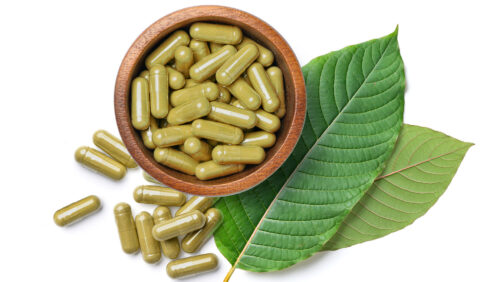
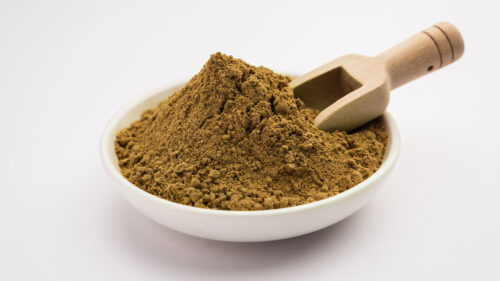
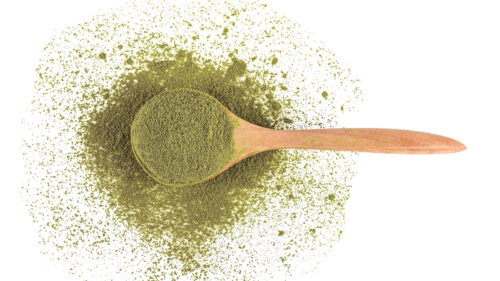
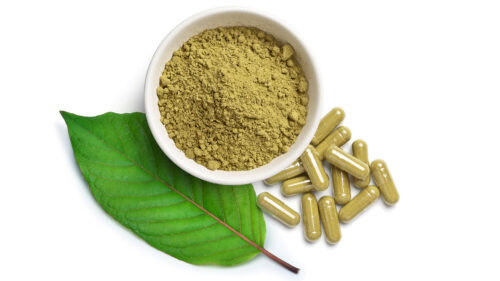
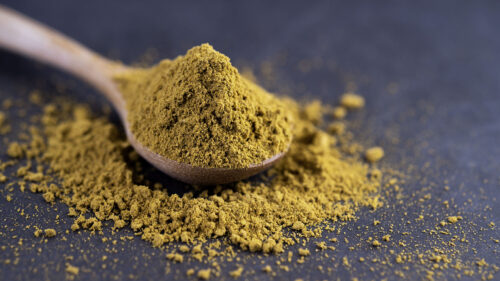
If you’ve heard the name “Maeng Da” tossed around in kratom circles, you’ve probably also heard words like powerful, packs a punch, clean, and consistent. There’s a reason this family of strains has a loyal fan base. Maeng Da comes in all of the same colors you’re used to, green, red, white, and even yellow/gold, so you can pick the vibe that best fits your day without starting from scratch on a totally different leaf profile.
Below is an easy, no-nonsense examination of what Maeng Da is, how the colors differ, and how to choose the one that best meets your needs
(Remember, kratom isn’t FDA-approved, and none of this is medical advice. Everyone’s different, so start small, go slow, and be smart with your kratom choices.)
What “Maeng Da” Means (And Doesn’t Mean)
“Maeng Da” is Thai slang that’s commonly translated as “pimp grade.” Yes, that sounds funny but it’s basically a bold way to say “premium” or “strong.” You’ll see that translation in lots of places. Interestingly, the name likely caught on because people associated it with high quality and a desirable feel. However, it’s not the scientific name of a plant; it’s a label that’s become popular in the kratom world. Any time you read or hear “Maeng Da” just remember that it represents certain high-grade leaves and blends that deliver a clear, potent impact.
Kratom itself comes from Mitragyna speciosa tree, The tree is a tropical evergreen in the coffee family native that’s to Southeast Asia. Farmers have used it in different forms for generations.
Today, vendors offer different “vein colors” (red, green, white, and sometimes yellow/gold) of Maeng Da, which usually reflect a mix of leaf maturity, drying/curing, and producer style.
Why People Gravitate To Maeng Da
Maeng Da has a reputation for being consistent and “dialed-in”. Basically, it provides a remarkably steady, clear, and confidently effective impact across the color range. You’ll see it at nearly every shop because customers keep coming back to it. If you prefer shopping by color but want a bit more oomph or polish, Maeng Da is often where people land. Many vendors even offer all four variants of Maeng Da, Green, Red, White, and Yellow, so you can try different reactions without switching families.
Meet the Maeng Da Colors
Think of each Maeng Da color as a lane on the same highway. The road (Maeng Da’s general character) stays familiar, while the lane you pick adjusts your body’s feel.
Green Maeng Da: The Balanced Daily Driver
Green Maeng Da sits in the “just right” zone for a lot of folks. It provides clean energy, usable focus, and a friendly mood lift without the sharp edges that some people do not like. It’s popular for daytime use (work, studying, errands) and for people who want to feel capable and present rather than overly worked up. If you’re new to Maeng Da, Green is a sensible starting point. Many shops carry it in both powder and capsules, so you can pick your preference and what works best for your unique needs.
Red Maeng Da: The Smoother, Heavier Lane
Reds are typically chosen when you want the heaviest, most relaxing profile in the Maeng Da family. It’s great for end-of-day unwinding, TV time, or whenever you’re off the clock. Compared to Green and White, Red Maeng Da is the most “downshifted choice” People who find whites too zippy and greens still a touch active often keep a red on hand for evenings and to just relax a bit.
White Maeng Da: Crisp And Forward
White MD is the go-to when you want a brighter, more forward feeling. It gives a great alertness and get-it-done focus. If coffee makes you jittery but you still want a morning pick-me-up then Whites are worth exploring. Some brands even sell blends like “Plantation Maeng Da” that combine whites and greens for a crisp, polished profile that is wonderfully unique.
Yellow/Gold Maeng Da: The Easygoing Middle
Yellow (or “gold”) isn’t a natural vein color. In fact, it usually reflects a particular drying/curing style or blend that creates a smoother, sunny-day vibe. If you like the idea of Green’s balance but want something even friendlier and a lot more easygoing, Yellow MD can be a pleasant, middle-of-the-road choice for many. Many shops list Yellow Maeng Da right alongside the other colors so you can grab it in powder or caps.
Powder vs. Capsules (And Why People Pick One Over The Other)
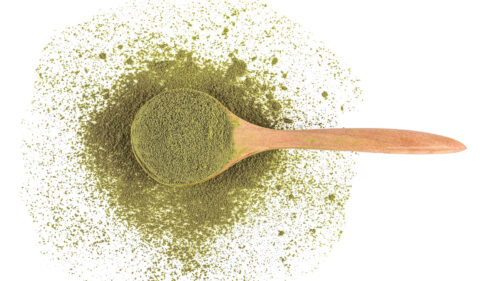
- Powder: Powder is flexible and cost-effective. You can fine-tune your serving size and mix it into juice or smoothies to create yummy, effective beverages. Taste can be grassy/bitter, so citrus is your friend when it comes to creating a tasty treat with the kratom powder.
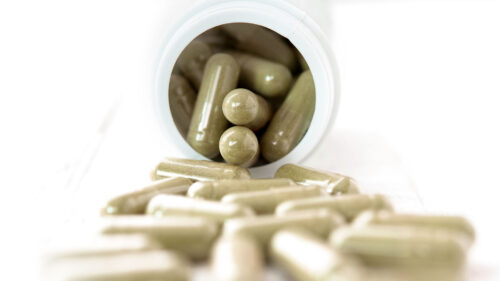
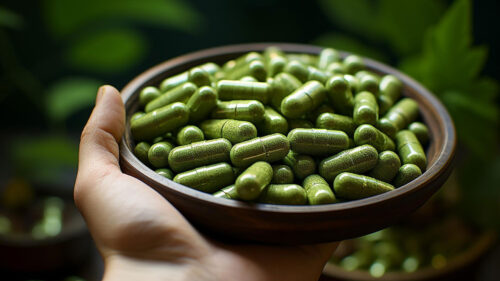
- Capsules: The easiest way to skip taste is to pick capsules. Yes, they have a slightly slower onset for some users because the capsule needs to dissolve, but the convenience is unmatched.
Most shops stock all four Maeng Da colors in both powder and capsules, so you don’t have to compromise on format just to get the color you want.
How To Choose Your First Maeng Da
We created a simple bullet list outlinking how to choose your first Maeng Da.
- I want balance for daytime: Start with Green Maeng Da.
- I want the brightest, most alert feel: Try White Maeng Da.
- I want to wind down at night: Go with Red Maeng Da.
- I want mellow and friendly anytime: Check out Yellow/Gold Maeng Da.
If you’re on the fence, grab two small sizes, say, a Green for daytime and a Red for evenings, then add a White or Yellow later if you want a brighter or gentler feeling. Many buyers also choose capsules first to keep things simple, then switch to powder once they’ve found a favorite choice.
What To Expect (Onset, Duration, And “Feel”)
- Onset: Many users notice effects within 20–45 minutes after ingesting the Maeng Da kratom. Please note that capsules can take a touch longer than powder.
- Duration: A few steady hours is common. Greens and Reds sometimes feel longer, with Whites peaking a bit quicker.
- Dial-in tips: Start slow with a low dose, wait, then adjust next time. Remember to always hydrate. Also, avoid stacking multiple servings too quickly. Keep notes so you can dial in your best serving side for your needs.
Always remember when shopping for Maeng Da kratom that color, leaf maturity, and drying/curing all play a role, and labels aren’t standardized across the entire industry. That’s another reason Maeng Da has fans: within each color, you tend to get a more “premium-feeling” take on that lane.
Quality Matters (A Lot)
Whatever color or vendor you choose, quality control is everything. When shopping for Maeng Da, we suggest you pay close attention to the following:
- Third-party lab testing with results you can actually see and access with ease.
- Transparent sourcing and batches that don’t change wildly from one order to the next.
- Reasonable pricing and not rock-bottom sales. Ultra-cheap often means corners were cut or the kratom is old and past its prime.
- Real customer feedback you can read.
Established shops typically publish product pages and testing info and keep their kratom lineup stable. This way, if you love, say, Green Maeng Da caps today, you can buy them again tomorrow and know you are getting the same product.
Comparing Maeng Da To Other Strains
You’ll see Maeng Da listed alongside classics like Bali, Borneo, Malay, Elephant, and Hulu Kapuas. Those can be great too, but many people treat Maeng Da as their “baseline” kratom choice They can then branch out for more specific vibes.
Example: use Green Maeng Da for most weekdays, then switch to Borneo when you want a slightly more relaxed feel, or pull in Thai/Elephant when you want to try something different. The idea is to build a tiny toolkit of strains you like and know rather than hunting a mythical “one strain to rule them all.”
Quick FAQs
Is Maeng Da always stronger than non-Maeng-Da strains?
Not automatically, but it is considered a premium choice so many users do perceive it that way across colors. Ultimately, your experience will still depend on the vendor, batch, and your own sensitivity.
Are color differences “real,” or is it just marketing?
Color labels are industry specifics that are tied to leaf maturity and drying/curing style, not botany class terms, so there’s definitely vendor interpretation when it comes to things. Still, reds, greens, and whites tend to have recognizable effects, and Maeng Da tends to deliver a more potent impact.
What about Yellow/Gold, what even is that?
Yellow/Gold kratom is usually a specific drying/curing process or a blend that creates a smoother, easygoing profile. If Greens feel a little too energizing and Reds feel too heavy, Yellow often lands right in the middle
Powder or capsules for my first try?
Capsules are convenient and taste-free. Powder is flexible and affordable. If you’re brand-new and don’t love bitter flavors, we suggest you start with caps; once you’ve found a favorite color, consider powder for dialing in your sweet spot.
Bottom Line
Maeng Da isn’t a magic word but it does denote that the kratom product is considered top shelf. If you want a dependable, premium-feeling version of kratom, you already know, Maeng Da is a smart choice. Pick the kratom variety that matches your day (Green for balanced productivity, White for crisp mornings, Red for wind-down, Yellow for easygoing), buy from a shop that proves its lab testing, and keep your servings conservative until you learn what actually works for you. That simple approach is why Maeng Da has stuck around and remains so popular. It helps people feel the way they want to feel.
If you’re ready to explore, check out our Maeng Da lineup. You’ll find Green, Red, White, and Yellow choices in both powder and capsules so you can match the color and format to your routine.